
AI Video Generator vs Traditional Shooting: Where Each Wins
Every video project begins with the same choice: film it or generate it. For years only one option existed, and the decision was simply about budget and schedule. Now text-to-video and image-to-video tools sit next to the camera as a serious alternative, and many teams are unsure when to use which.
This article compares the two approaches on the points that matter in daily work: speed, creative control, consistency, and risk. It does not argue that one method replaces the other. Instead, it helps you match each type of video to the method that serves it best. The comparison is aimed at marketers who need frequent social content, product teams that produce demos and explainers, and small agencies that must deliver more variations with the same crew. You will also see how a hybrid workflow can combine live footage with generated scenes, and which questions to ask before you commit a project to either path.
Before praising any new tool, it is fair to recognize what a real camera does better. Live footage captures authentic people, real products, and real places with a level of truth that no generated clip can fully claim. A customer testimonial, a factory tour, or a founder speaking at an event gains its power from being real, and viewers sense that immediately.
Shooting also gives exact control over physical details. If a product has a particular texture, label, or color, a camera records it as it is. Legal and regulatory content often depends on this accuracy. The cost is time and coordination: locations, equipment, talent schedules, lighting, and editing all add up, and a small change after the shoot day can mean reshooting. When the subject must be genuine and precise, traditional production remains the safer choice.
The strongest case for an AI video generator appears when you need many ideas tested quickly or visuals that would be impossible or expensive to film. Describe a scene in text, supply a reference image, and a short clip appears in minutes. That speed changes how teams work, because experiments cost almost nothing and ideas can be judged on screen instead of on paper.
Consider a campaign that needs a dozen short clips for different audiences. With a camera, each variation requires planning and editing. With a generator, you adjust the prompt, change the setting or mood, and produce another version. Teams use this to try several creative directions before choosing one to polish, which reduces the risk of investing in the wrong concept.
Generated video also opens visuals that a small team could never afford to shoot, such as aerial views, imagined environments, or product scenes in settings that do not exist. Used carefully, it lets a modest brand present a polished story without a large production crew.
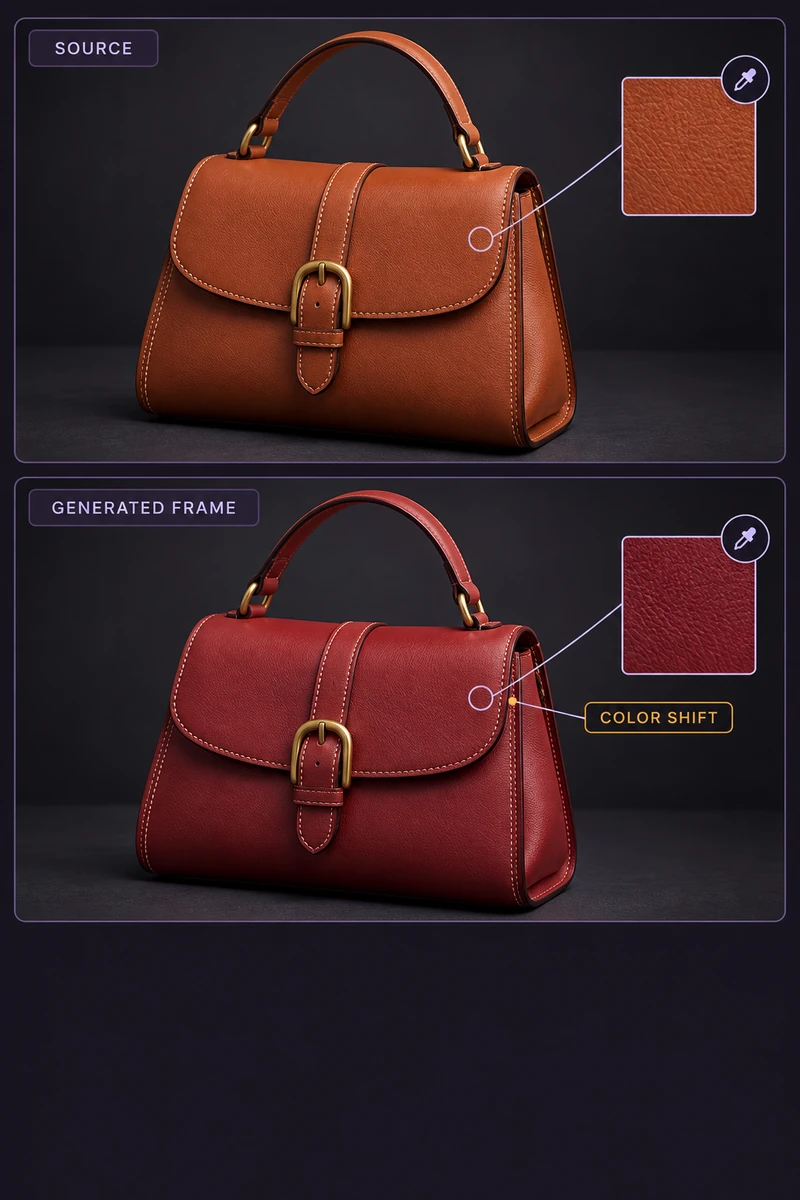
The weak point of early generators was consistency. A character changed faces between shots, and a product shifted color from one clip to the next. Newer tools address this by holding color, packaging, and subject details steady across scenes, which is essential for brand work. AKOOL is one of the platforms working on this problem, and checking it in a trial is wise for any provider you consider.
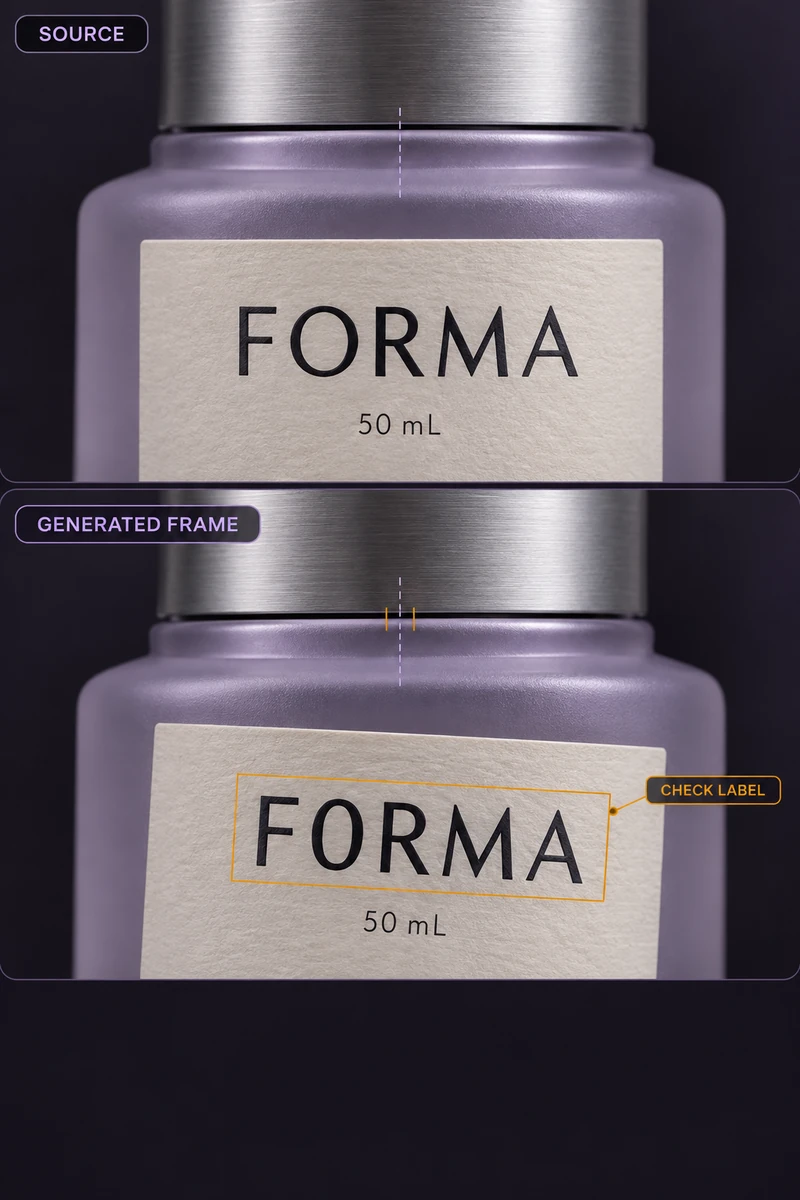
Test it yourself with a simple exercise. Generate three clips that show the same product or character in different situations, then compare them side by side. Look at color accuracy, shape, and small details such as logos and text. If the subject changes noticeably, you will spend time fixing it in editing, and the speed advantage shrinks. If the subject holds steady, the tool can support a real campaign.
The most practical answer for many teams is to use both methods in one project. Film the parts that need authenticity, such as interviews and real product handling, and generate the parts that need imagination or variety, such as transitions, backgrounds, and short promotional scenes. An editor then joins everything in a single timeline.
A simple way to start is to follow this order:
This approach cuts shoot days without giving up the trust that real footage brings. It also gives you a natural fallback: if a generated scene does not meet your standard, you can replace it with a short filmed shot.
When a new project arrives, run through a few questions instead of choosing by habit. Does the audience need to see something real, or is the message more important than the footage? How many variations will you need? How soon is the deadline? Who must approve the video, and how many rounds of change are likely?
Consider also the rights and disclosure side. Some platforms and industries expect viewers to be told when content is generated, and your own brand guidelines may require it. Decide on a policy before the first video goes out, so your team does not improvise under deadline pressure. Clear answers make the choice almost obvious, and the project plan follows from there.
Neither method wins every time. Traditional shooting is the right tool for authentic people, exact products, and content where truth is the point. Generated video wins when you need speed, volume, and imagery that a camera cannot easily reach. The best results often come from combining them and letting each cover what it does well.
If you have not tried generation yet, begin with a low-risk project such as a social clip or an internal explainer. Compare the time, cost, and viewer response against your usual process, and write down what you learn. After a few projects you will know exactly where generated scenes belong in your workflow, and your team can spend its filming days on the moments that truly need a camera.