
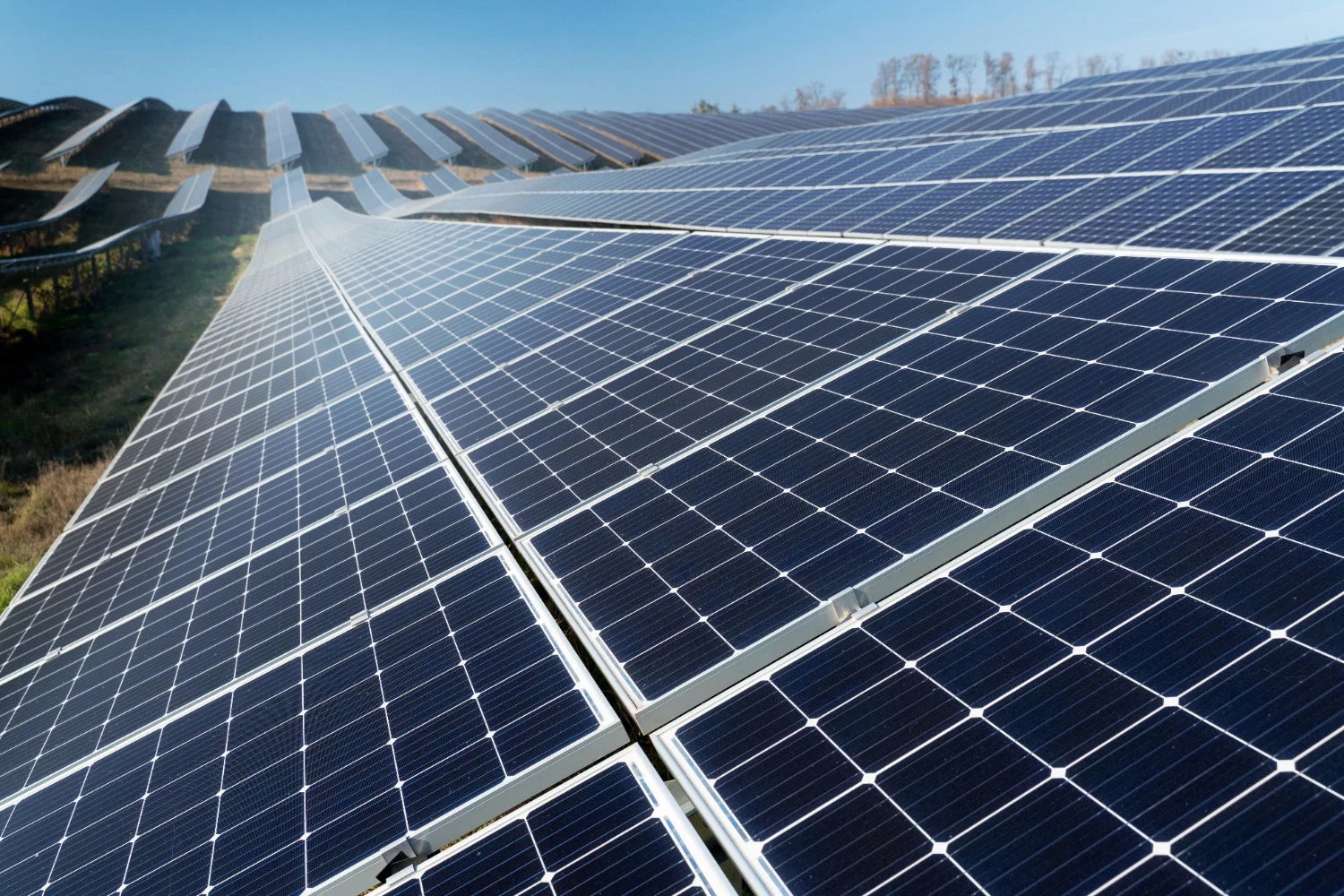
Solar power has become a practical option for homeowners, campers, and outdoor enthusiasts who want access to electricity without relying entirely on the grid. Portable solar equipment offers flexibility, especially in locations where conventional power sources are unavailable or expensive to install. Choosing the right panel, however, requires more than comparing wattage. Panel design, sunlight exposure, available space, and compatibility with a power station all affect the amount of usable energy produced.
Bifacial solar technology offers another way to capture sunlight. Products from ZOUPW provide an option for people exploring solar equipment for portable and off-grid applications. Understanding how bifacial panels work helps buyers decide whether this technology suits their energy requirements.
Traditional solar panels primarily collect sunlight through their front surface. Bifacial panels are designed to generate electricity from both the front and rear sides. The front captures direct sunlight, while the rear can collect reflected light from surrounding surfaces.
The amount of additional electricity depends on the installation environment. Light-colored concrete, sand, and other reflective surfaces can direct more sunlight toward the rear of a panel. Dark ground, dense vegetation, or a surface that blocks the rear side can limit this benefit.
Panel height, tilt, surrounding objects, and sunlight conditions also influence performance. Bifacial technology does not guarantee a fixed increase in output, so real-world results will vary from one location to another.
For users who need a higher-capacity solar option, the 480W portable bifacial solar panel is worth examining when comparing available equipment. Its stated 480-watt rating provides a starting point for estimating potential energy production under suitable test conditions.
However, a panel's rated wattage is not the same as its daily energy output. Actual production depends on peak sunlight hours, temperature, panel orientation, shading, and system losses. Buyers should also check the product specifications for dimensions, weight, connectors, operating voltage, and compatibility with their intended power station.
These details matter when portability is a priority. A panel intended for occasional camping trips might serve a different purpose from one used regularly at a cabin or remote worksite.
Portable solar equipment suits several situations where fixed rooftop installations are impractical.
Before purchasing, list the devices you plan to operate and estimate their daily energy consumption. This gives you a clearer basis for choosing a panel and battery system rather than relying on wattage alone.
Good placement helps improve solar performance. Position the panel where it receives direct sunlight for as much of the day as possible. Even partial shading from a tree branch or nearby structure can reduce output, depending on the panel's electrical design.
For bifacial models, consider the surface beneath the panel. A reflective surface and adequate clearance behind the module can improve access to reflected light. Avoid placing the rear surface directly against the ground if doing so blocks its ability to collect light.
Keep the panel surface clean and follow the manufacturer's cleaning instructions. Dust, leaves, and other debris reduce the sunlight reaching the solar cells. Check cables and connectors regularly, especially when moving the equipment between locations.
Weather also matters. Cloud cover reduces available sunlight, while high panel temperatures can affect electrical performance. A battery helps store energy generated during productive hours for use later, but its capacity should match your expected consumption.
A high-wattage panel is useful only when it works safely with the rest of the system. Check the power station's permitted solar input, maximum voltage, current limits, and connector requirements before connecting a panel. Exceeding these limits can damage equipment.
Consider portability as well. Panel dimensions, carrying arrangements, setup time, and resistance to outdoor conditions affect how convenient the system will be in daily use. If you plan to travel frequently, the balance between output and ease of transport deserves careful attention.
Bifacial solar panels offer a way to collect sunlight from two surfaces, potentially improving energy production in suitable environments. Their value depends on placement, reflected light, system compatibility, and the amount of electricity you need.
Compare the specifications of the 480W panel with your power station and daily energy requirements before deciding. A well-matched setup, positioned carefully and maintained regularly, provides a more reliable basis for using portable solar power at campsites, remote work locations, and other off-grid spaces.