
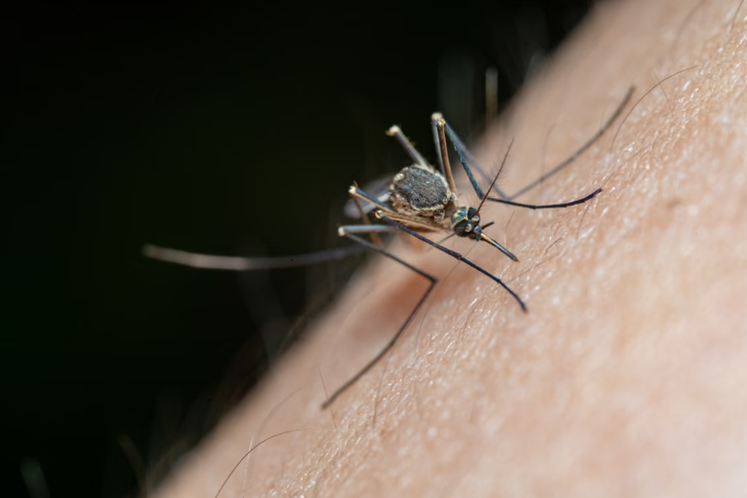
Nothing kills a summer evening faster than mosquitoes. Start the grill, let the kids play around the yard, and suddenly everyone has itchy, red bug bites. Bug spray does help, but only for a short while. Citronella candles don't help either. Neither of these addresses the underlying issue.
However, professional treatment programs have a more comprehensive focus, which involves the control of the adult mosquito, as well as the conditions that enable new ones to emerge. That combination will help lower present activity and make the yard less attractive for another wave of mosquitoes.
But how does it really work?
Here are five ways professional mosquito control services eliminate yard pests.
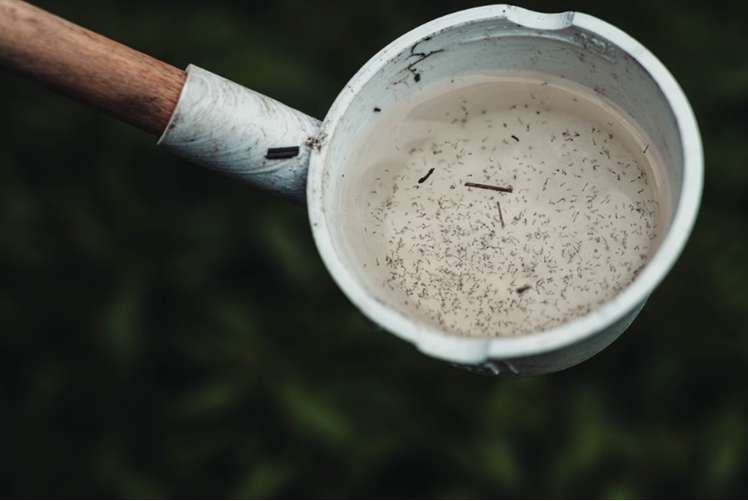
The majority of homeowners underestimate the amount of water mosquitoes require to breed. It can happen when a gutter gets clogged. An upside-down bucket or even a bottle cap full of rainwater will do. Each one can provide enough standing water for mosquitoes to lay eggs and begin developing.
That is why it is essential for any professional mosquito control services to conduct a comprehensive property walk-through. The technicians inspect places that you may overlook, such as:
Shaded corners and dense ground cover
Clogged downspouts and drainage areas
Low-lying areas such as containers and planters that gather rainfall
According to CDC guidance on mosquito control programs, the core activities professionals undertake to reduce mosquito populations include removing places where mosquitoes lay eggs. Early detection of these hot spots can provide a clearer starting point for the remainder of the treatment plan and help minimize adult mosquito populations later in the season.
With the problem areas identified, technicians can decide where and when treatment is needed.
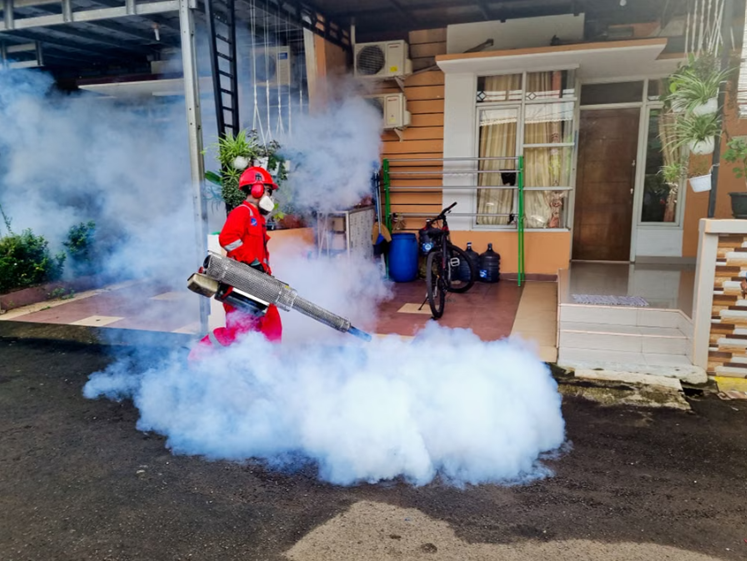
Once breeding sites are mapped out, professional mosquito control services can target areas where adult mosquitoes rest, such as shrubs, tall grass, and shaded foliage. This focused application helps concentrate on treatment where mosquitoes are more likely to remain during the day.
Mosquito populations can change quickly, so a single treatment may not provide lasting control throughout the season. Recurring treatments can help address new activity as conditions change. Timing matters, especially after periods of rain, when mosquito activity and breeding conditions can change quickly.
Professional equipment also helps technicians apply treatment evenly across areas that are difficult to reach with basic yard equipment.
While adult mosquito kills help control insects already flying in the yard, they will not help control the development of new insects in any standing water. To address this issue, professional mosquito control services can use larvicides in standing water that cannot be drained or removed, helping kill mosquito larvae before they develop into biting adults.
This adds another layer of control by addressing mosquitoes before they reach the adult stage. However, controlling mosquitoes requires careful application of the treatments in the yard around people, pets, and plants.
Yards used by children and pets, along with gardens and pollinator-friendly plants, require careful application planning. Professional mosquito control services can consider where treatments are applied, when people and pets can return to treated areas, and which areas should be avoided. That planning typically includes:
Product selection based on the treatment area and application needs
Careful application around play areas, pet spaces, and gardens
Clear guidance on when people and pets can return outdoors
These precautions help keep treatment focused on mosquito-prone areas while reducing unnecessary exposure in the spaces people and pets use most.
Outdoor treatments are not permanent, and the duration of effectiveness may vary with weather conditions. Follow-up visits enable technicians to respond to the recurrence of mosquito activity as conditions change.
Some service programs also provide retreatments on the return of mosquito activity between visits for extra coverage if the mosquito population rebounds. This extra protection can help to keep the mosquito population under control between visits.
Combined, these five steps illustrate that professional treatment goes beyond just eliminating the mosquitoes that are seen around the home. A single treatment isn't all that. Rather, a combination of inspection, targeted treatment, larvicide application, and follow-up will keep current activity down and curtail conditions that allow new mosquitoes to develop.
The removal of breeding sites is as important as spraying, while a recurring schedule prevents new mosquitoes from dominating between visits. Depending on weather conditions, follow-up treatments can be used to deal with re-emerging activity.
If it's hard to enjoy your yard because of mosquitoes, a structured treatment program handles active mosquitoes and conditions that promote new ones. The use of source reduction, targeted treatment, larval control, and follow-up will provide a more uniform treatment approach throughout the season.