
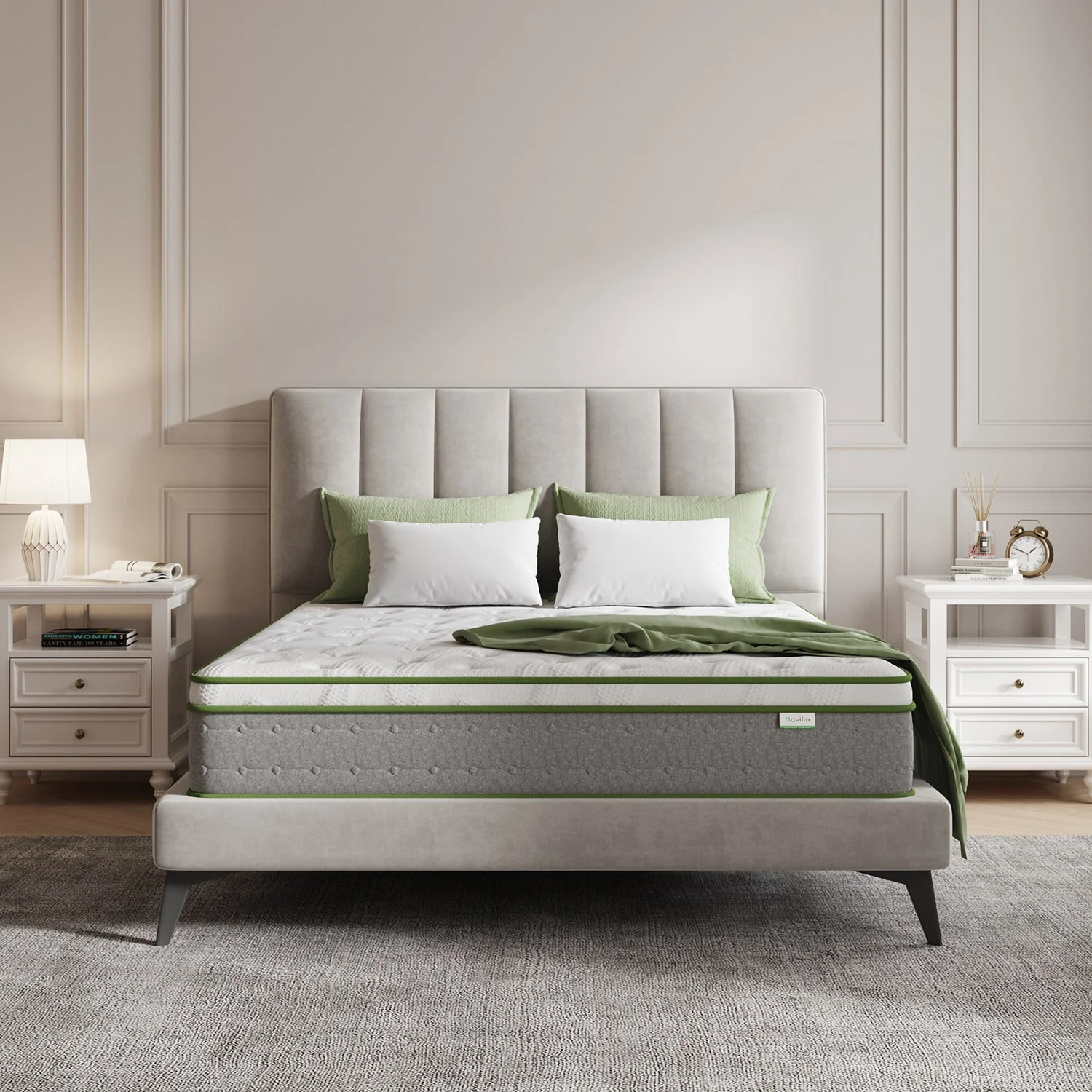
Sharing a bed means sharing more than a sleeping surface. Every time one person turns over, gets out of bed, or shifts position, the other may notice the movement. For couples who are light sleepers or follow different schedules, these small interruptions can become frustrating. The mattress plays a role in how much movement travels across the bed, which is why choosing a king size foam mattress involves more than comparing dimensions or checking whether the surface feels soft.
A king mattress provides a wider sleeping area, giving each person more room to move independently. However, extra space and motion control are two different things. A spacious bed may still transmit noticeable movement if its construction does not absorb it effectively. Understanding how materials, support systems, and bedroom arrangements work together can help couples create a more comfortable shared sleeping environment.
During sleep, people naturally change positions. Someone may roll from their back onto their side, pull up a blanket, or shift toward the edge of the mattress. These movements are normal, but they can interrupt a partner who is already resting, especially when that person wakes easily.
The effect depends partly on timing. Movement may be less disruptive when both partners are sleeping deeply, but more noticeable when one person has only recently fallen asleep or is approaching their usual waking time. Different work schedules can make this particularly relevant. A partner who goes to bed early may be disturbed when the other gets in later, even if the movement lasts only a few seconds.
Not every interruption originates from the mattress. Noisy bed frames, loose headboards, squeaking floorboards, and bedding pulled across the bed can also disturb a sleeping partner. Identifying the actual source helps couples avoid replacing a mattress when a smaller adjustment might solve part of the problem.
Motion isolation describes how well a mattress limits the movement felt away from the point where pressure is applied. Imagine one person changing position on one side of the bed while the other remains still. A mattress with effective motion isolation may absorb more of that movement near its source, reducing how strongly it reaches the other sleeper.
This differs from the amount of space a mattress provides. A wider surface increases the distance between partners, but movement can still travel through the mattress structure. A smaller mattress with good motion isolation may control movement better than a larger model with a more connected, responsive construction.
The degree of isolation depends on several factors, including the materials, layer arrangement, and support system. Individual body weight and the force of a movement also influence the result. No mattress can guarantee that a partner will never notice another person's movements, but the right construction may make those disturbances less noticeable.
Couples should also distinguish motion isolation from edge support. Edge support helps maintain stability when someone sits or lies near the side of the mattress. Motion isolation concerns how movement spreads across the surface. Both can matter in a shared bedroom, but they address different needs.
Memory foam is often considered by people who want a surface that contours around the body. The material compresses under pressure, adapting to the sleeper rather than responding only with an immediate bounce. Depending on its formulation and the mattress's construction, it can absorb some movement close to where it occurs.
This may be useful when one partner changes positions frequently. Instead of transferring the entire movement across the surface, the foam layers can help limit its spread. The actual effect varies between models, however, so the label “memory foam” alone is not enough to determine how well a mattress isolates motion.
Hybrid mattresses combine foam comfort layers with a coil support system. Their feel can be more responsive than that of an all-foam mattress, which some sleepers appreciate because it makes changing positions easier. Individually pocketed coils can move more independently than a connected spring system, helping limit the transfer of movement in some designs.
Neither construction is automatically the best choice for every couple. People who prefer a close, contouring feel may lean toward memory foam, while those who want cushioning with a more responsive surface may prefer a hybrid. The overall design matters more than the category name, so checking the materials and available specifications is worthwhile.
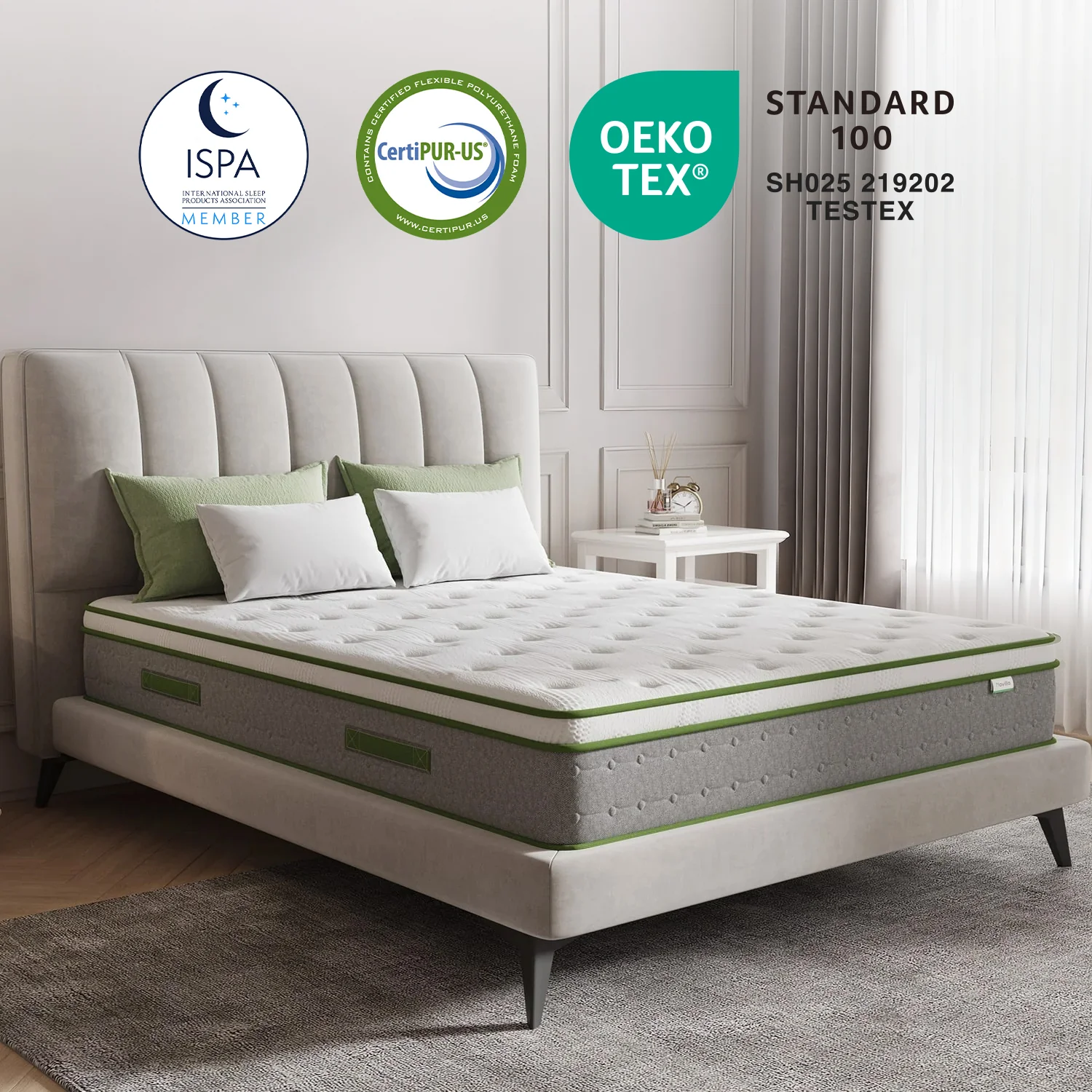
A standard US king mattress measures 76 inches wide by 80 inches long. Its additional width compared with a standard queen can give each partner more personal space. Someone who stretches out or changes positions often may appreciate having a wider area without immediately reaching the other person.
For couples who prefer a contouring surface with extra sleeping space, a king memory foam mattress may be worth considering. Memory foam can absorb some movement near its source, helping reduce how much a partner feels when the other person changes position. The result depends on the foam formulation, layer arrangement, and force of the movement, so the overall construction matters more than the material name alone.
The bedroom itself also needs to accommodate the larger bed. A king mattress may be less useful if it leaves too little space for bedside tables, wardrobe doors, or comfortable movement around the room. Measure the available floor area and account for the frame's outer dimensions before deciding on the size.
The Novilla Serenity Hybrid Mattress is an option for shoppers comparing motion control with a more responsive sleeping surface. This 10-inch model combines gel-infused memory foam, airflow foam, and pocket springs. The foam layers are designed to provide cushioning and pressure-relieving comfort, while the individually pocketed coils contribute to support and responsiveness.
This combination may appeal to couples who want some of the contouring associated with foam without choosing an all-foam construction. Novilla describes the Serenity as a hybrid designed for firmer support, with reinforced edges and motion-isolation features. Its pocketed coil system is intended to help limit movement transfer, although the amount of movement a partner notices will depend on the sleepers and the complete bed setup.
The Serenity is available in several sizes, including king, so buyers can compare the larger sleeping area with the space available in their bedroom. Before ordering, check the selected dimensions, mattress thickness, and compatibility with the existing bed base. Reviewing the current product specifications, trial terms, and warranty information can also help buyers make a more informed decision.
A mattress may absorb movement reasonably well while the bed frame introduces noise or vibration. Loose bolts, worn joints, uneven legs, and a headboard that touches the wall can all create sounds when one person shifts position. These noises may be mistaken for movement coming from the mattress itself.
Before replacing the bed, inspect the frame and tighten any loose fittings according to the manufacturer's instructions. Check whether the legs sit evenly on the floor and whether the foundation provides the support required by the mattress. If the headboard repeatedly knocks against the wall, a small adjustment to its position may reduce the noise.
The support surface matters as well. Some mattresses require particular spacing between slats or a specific foundation type. Following those requirements helps maintain the intended support and prevents avoidable problems. A stable base cannot eliminate all movement transfer, but it can remove some disturbances unrelated to the mattress construction.
Couples can improve the shared sleeping environment without relying entirely on mattress features. If one person regularly goes to bed later, preparing clothing, charging devices, and setting out necessary items in advance may reduce movement around the room. A dim bedside light can also help the later sleeper avoid switching on bright overhead lighting.
Separate blankets can be useful when partners pull bedding in different directions or prefer different levels of warmth. This arrangement reduces the need to adjust one shared comforter throughout the night. Each person can choose suitable bedding while still sharing the same mattress.
The route to the door should remain clear, particularly if one partner gets up earlier than the other. Keeping slippers, phones, and other frequently used items within easy reach can prevent unnecessary searching or fumbling in the dark. These changes do not alter the mattress's motion-isolation properties, but they can reduce the number of disturbances that occur in the first place.
Product descriptions often use terms such as responsive support, pressure relief, and motion isolation together, even though each refers to a different aspect of the mattress. Buyers should look for details about the actual construction instead of assuming that one feature guarantees another.
If a showroom test is available, have one person lie still while the other changes position on the mattress. This can provide a basic impression of how much movement is noticeable, although a short test cannot reproduce every overnight situation. When buying online, review the manufacturer's specifications and understand the terms of any sleep trial before committing.
It is also worth considering firmness preferences. One partner may want a cushioned surface, while the other prefers a firmer feel. Motion control will not resolve every disagreement about comfort, so both sleepers should assess the mattress as a whole. The aim is to find a construction that accommodates their needs without treating a single feature as the answer to every problem.
Reducing nighttime disturbances requires a combination of suitable mattress construction, a stable bed frame, and considerate bedroom habits. A king mattress can provide useful personal space, while foam layers and pocketed coils may influence how movement travels from one side to the other. Neither size nor material alone guarantees uninterrupted sleep.
Couples can start by identifying what actually causes their disturbances, then compare mattress designs and make practical adjustments to the room. When the sleeping surface, foundation, and daily routines work together, both partners have a better chance of enjoying a shared bed that accommodates their different habits.