
Rising Global Temperatures: How Cooling Vests Could Transform Workplace Productivity
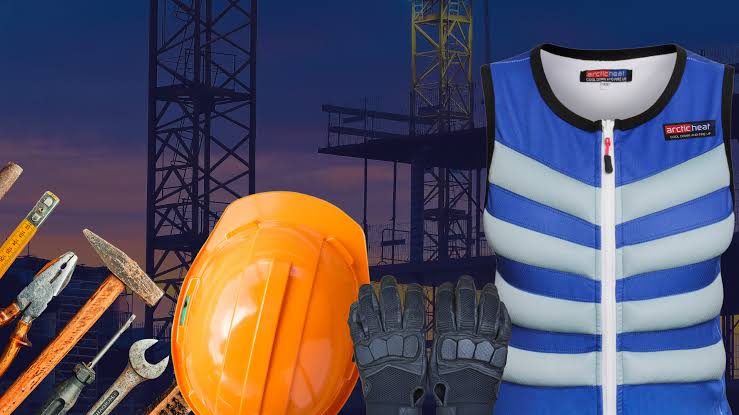
The way people work is changing as temperatures around the world continue to rise. Hotter summers, longer heatwaves and increasingly unpredictable weather conditions are creating new challenges for businesses across a wide range of industries. From construction sites and warehouses to factories, logistics centres and outdoor workplaces, employees are finding it harder to stay comfortable and focused throughout the working day.
Heat is more than just an inconvenience. High temperatures can affect concentration, physical performance, motivation and overall well-being. For employers, this can translate into reduced productivity, more frequent breaks, increased safety risks and higher operational costs. As a result, businesses are beginning to look beyond traditional cooling solutions and explore more practical ways to protect employees from excessive heat.
One solution attracting growing attention is the cooling vest. Designed to help regulate body temperature, these wearable cooling products could play an important role in creating safer and more productive working environments in a warming world.
Climate change is having a noticeable influence on working conditions. While some workplaces benefit from air conditioning, many employees do not have access to a consistently cool indoor environment. Outdoor workers, in particular, are exposed to direct sunlight, high humidity and limited opportunities to escape the heat.
Even indoor environments can become uncomfortable during prolonged periods of warm weather. Warehouses, production facilities and industrial buildings often generate additional heat through machinery, equipment and physical activity.
When the human body is exposed to high temperatures, it has to work harder to maintain a stable internal temperature. Sweating increases, the heart works harder and energy levels can gradually decline. This physical response can make ordinary tasks feel considerably more demanding.
For employees who perform physically intensive work, the effects can be particularly noticeable. Carrying materials, operating machinery, walking long distances or standing for extended periods becomes more exhausting when temperatures rise.
The consequences are not limited to physical discomfort. Heat can also influence mental performance, making it harder to concentrate, remember instructions and make quick decisions.
Workplace productivity depends on more than simply the number of hours employees spend on the job. Concentration, accuracy, physical endurance and decision-making all contribute to effective performance.
Unfortunately, excessive heat can negatively influence each of these factors.
When temperatures become uncomfortable, employees may find it increasingly difficult to maintain their attention. Tasks that normally require little effort can suddenly demand more concentration.
This can be especially problematic in workplaces where accuracy is essential. Manufacturing employees, warehouse operators and construction workers regularly perform tasks that require attention to detail. A temporary loss of concentration can lead to mistakes, damaged products or potentially dangerous situations.
Working in hot conditions places additional demands on the body. Employees may experience fatigue more quickly, making it difficult to maintain the same level of physical performance throughout a shift.
As a result, workers may need additional recovery periods or struggle to complete physically demanding tasks at their usual pace.
Heat-related fatigue and reduced concentration can also affect workplace safety. Slower reactions, dizziness and physical exhaustion may increase the likelihood of accidents, particularly in environments involving heavy machinery, vehicles or manual handling.
For employers, preventing heat-related problems should therefore be an important part of occupational health and safety planning.
Traditional workplace cooling solutions often focus on changing the temperature of an entire room or building. However, this is not always practical. Large industrial facilities can be expensive to cool, while outdoor workers obviously cannot rely on conventional air conditioning.
A cooling vest offers a more personal approach.
These garments are designed to provide cooling directly to the person wearing them. Depending on the technology used, they can help reduce the sensation of heat and support the body's natural temperature regulation.
There are different types of cooling vests available, including evaporative cooling systems and phase change cooling technologies. Each approach works differently, but the overall objective is similar: helping employees remain more comfortable when working in warm environments.
For businesses exploring practical ways to improve workplace conditions, investing in a suitable cooling vest can be an interesting addition to an existing heat management strategy.
Evaporative cooling vests use the natural process of water evaporation to create a cooling effect. When the garment is activated with water, moisture gradually evaporates from its material, helping to remove heat from the surrounding environment.
These vests are particularly useful in environments where employees spend long periods outdoors or work in locations without access to conventional cooling facilities.
Depending on the design and environmental conditions, an evaporative cooling vest can provide cooling for several hours.
Another option is phase change cooling. These garments use specially developed cooling inserts that absorb heat as they change from a solid state to a liquid state.
Unlike evaporative systems, phase change cooling does not depend on water evaporation. This makes the technology useful in environments where humidity levels are high or where additional moisture is undesirable.
The choice between different cooling technologies depends on the working environment, the level of physical activity and the duration of the task.
Employee comfort and productivity are closely connected. When workers feel physically comfortable, they are generally better positioned to concentrate on their responsibilities and maintain a consistent working rhythm.
This does not mean that wearing a cooling vest automatically increases productivity. However, reducing heat-related discomfort can remove one of the obstacles that makes working in warm conditions more difficult.
Consider a warehouse employee who spends an entire shift moving products between storage areas. During a heatwave, the combination of physical activity and elevated indoor temperatures can quickly become exhausting.
A personal cooling solution could make these working conditions more manageable. Employees may find it easier to maintain their energy levels, while employers can potentially reduce interruptions caused by heat-related discomfort.
The same principle applies to construction workers, agricultural employees, delivery personnel and maintenance teams.
By improving individual comfort, businesses can take a practical step towards supporting employee performance during warmer periods.
Although almost any workplace can experience problems with excessive heat, certain industries face particularly challenging conditions.
Construction workers frequently operate outdoors, often with limited shade and considerable physical demands. During summer, protective clothing and safety equipment can make heat management even more challenging.
Cooling vests can offer an additional layer of comfort while employees carry out their daily activities.
Warehouses are not always equipped with comprehensive climate control. Large buildings can retain heat, especially when ventilation is limited and machinery operates continuously.
Employees involved in picking, packing, loading and unloading may benefit from wearable cooling solutions.
Production facilities often contain equipment that generates substantial amounts of heat. Employees working close to machinery or production lines can experience elevated temperatures throughout their shifts.
Personal cooling garments may help improve comfort without requiring an entire facility to be cooled.
Agricultural workers, gardeners and maintenance professionals often spend several hours outside. Their working conditions depend heavily on the weather, making heat management an important consideration.
Lightweight cooling garments can provide a practical option for employees who need to remain mobile while working outdoors.
Rising temperatures are unlikely to become a temporary concern. Businesses should therefore consider how their workplaces will adapt to increasingly warm conditions.
A proactive heat management strategy can include several measures, such as improving ventilation, providing sufficient drinking water, introducing additional rest periods and adjusting working schedules during extreme heat.
Cooling vests can complement these measures by providing individual cooling support.
Companies should also consider the specific needs of their employees. A warehouse worker may require a different solution from someone working outdoors in direct sunlight. Factors such as humidity, physical activity, protective equipment and the length of a working shift all influence which cooling technology is most suitable.
Businesses looking for specialised personal cooling solutions can explore the products and technologies offered by Inuteq. Understanding the available options makes it easier to select equipment that matches the demands of a particular working environment.
Employee well-being is becoming an increasingly important part of modern business management. Companies are recognising that creating a comfortable working environment is not simply about meeting basic requirements. It can also contribute to employee satisfaction, performance and long-term workforce stability.
Providing appropriate cooling equipment demonstrates that an organisation takes working conditions seriously.
There may also be financial advantages. Excessive heat can contribute to absenteeism, reduced output and additional operational interruptions. While cooling vests are not a complete solution to these challenges, they can form part of a broader approach to reducing heat-related difficulties.
The most effective strategy combines wearable cooling products with sensible workplace policies and appropriate safety procedures.
As global temperatures continue to rise, businesses will need to rethink how they protect employees and maintain productivity. Traditional cooling methods will remain important, but they cannot solve every problem, particularly in outdoor and industrial environments.
Personal cooling technology offers an additional possibility. Cooling vests provide a flexible way to support employees who regularly work in warm conditions, without depending entirely on air conditioning or large-scale cooling installations.
For industries where physical activity and high temperatures go hand in hand, these products could become an increasingly valuable part of everyday workwear.
Ultimately, workplace productivity is closely linked to the conditions in which people work. By taking heat management seriously and exploring practical innovations such as cooling vests, businesses can prepare for a warmer future while placing employee comfort and safety at the centre of their operations.