
Safety Training Seminars Offers Group BLS, CPR and First Aid Training for California Businesses, Schools and Workplaces
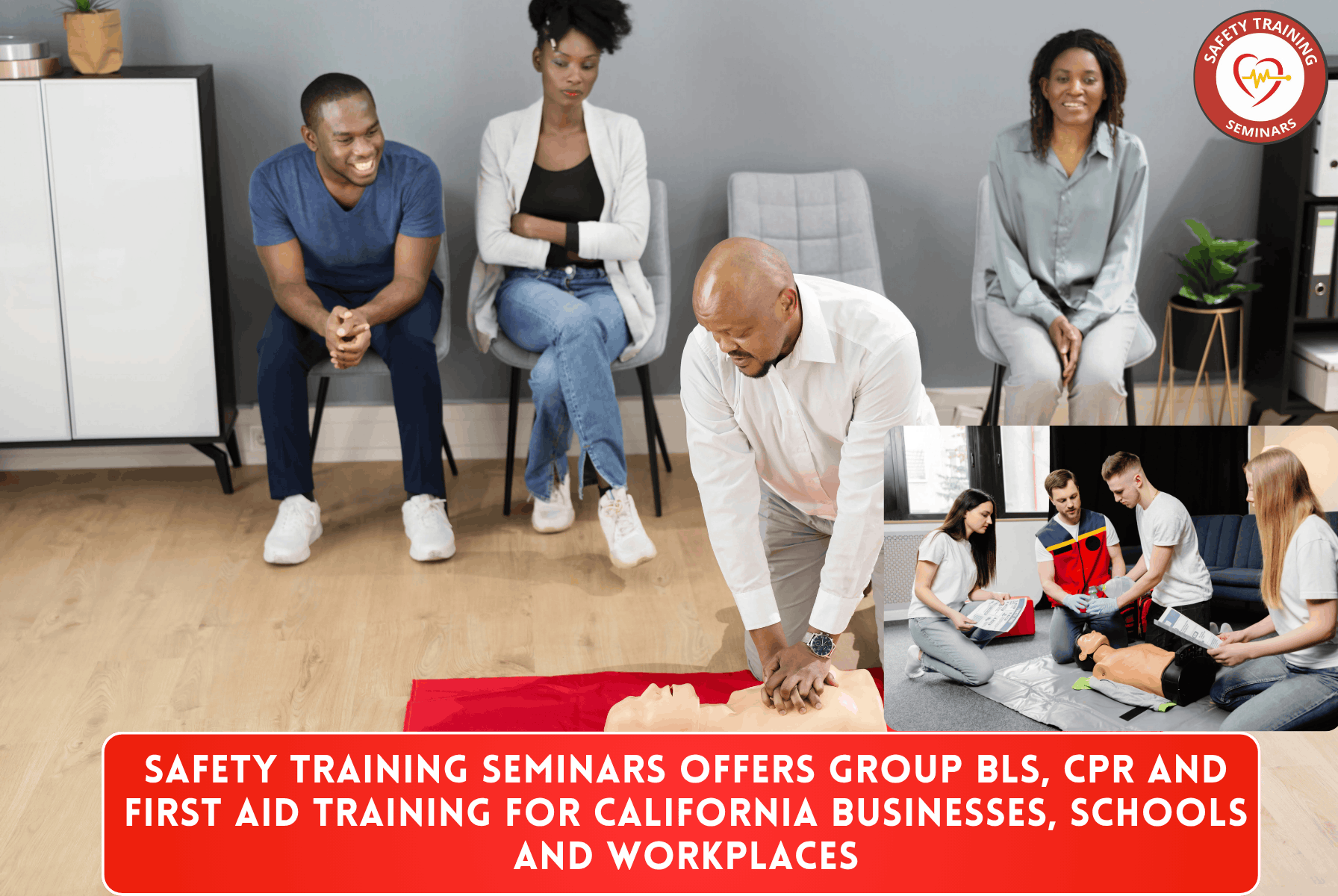
California, USA: Safety Training Seminars is providing group training opportunities for businesses, schools, and workplaces across California seeking to strengthen emergency preparedness through CPR, Basic Life Support (BLS), and First Aid education. By offering training options for organizations and groups, the company helps employers and institutions explore practical ways to prepare employees, educators, and other personnel to respond when medical emergencies occur.
From sudden cardiac arrest and breathing emergencies to injuries that require immediate attention, unexpected medical situations can arise in virtually any environment. Workplaces, educational institutions, and commercial facilities benefit from having people who understand how to recognize an emergency, take appropriate action, and follow established emergency response procedures.
For organizations looking to improve workplace safety and staff preparedness, Group CPR BLS, and First Aid training offers a structured way to develop these essential skills.
Coordinating training for multiple employees can be challenging, particularly for businesses and schools with demanding schedules, different shifts, and ongoing operational responsibilities. Group training gives organizations an opportunity to explore training arrangements that align with their staffing needs and workplace priorities.
Safety Training Seminars offers training options for organizations seeking CPR, BLS, and First Aid education for their teams. Depending on the course, group size, location, and scheduling availability, organizations can discuss suitable arrangements for training their personnel.
Potential participants include:
The appropriate course depends on an organization's responsibilities, industry requirements, and the credentials its employees need.
Selecting the right training program is an important first step for employers and school administrators. Although these courses share a common goal of improving emergency preparedness, they serve different purposes.
American Heart Association BLS training is primarily intended for healthcare professionals and other eligible individuals whose roles require healthcare provider level resuscitation skills. Course content typically includes high quality CPR, use of an automated external defibrillator (AED), ventilation techniques, and coordinated resuscitation as part of a team.
Hospitals, clinics, dental practices, and other healthcare employers may require BLS training for specific positions. Organizations should verify their employer, licensing, or credentialing requirements before selecting a course.
CPR training teaches participants how to recognize cardiac arrest and perform cardiopulmonary resuscitation. Depending on the selected course, instruction may address adult, child, and infant CPR, AED use, and other essential response techniques.
CPR education can be relevant to employees in offices, schools, fitness facilities, childcare settings, and public facing businesses. The appropriate course depends on the participants' responsibilities and the organization's training objectives.
First Aid training focuses on recognizing and responding to common injuries and sudden illnesses until further medical assistance becomes available. Depending on the program, topics may include bleeding, burns, wounds, sudden illness, and other situations requiring immediate attention.
For workplaces and schools, First Aid education can complement CPR training by helping personnel prepare for a broader range of emergencies.
Organizations should remember that general workplace CPR or First Aid courses do not automatically satisfy an AHA BLS requirement. Choosing the correct course helps ensure that employees receive training appropriate to their roles.
Emergency preparedness is an important consideration for organizations responsible for employees, students, customers, and visitors. A medical emergency can happen without warning, making early recognition and an appropriate response especially important.
Group CPR and First Aid training can contribute to workplace and school preparedness in several ways.
Improved response readiness: Training helps participants understand the initial steps to take when a medical emergency occurs.
Greater awareness of emergency procedures: Employees can learn how CPR, AED use, and First Aid fit into a broader emergency response plan.
Coordinated staff preparation: Group training gives organizations an opportunity to develop shared expectations around emergency response and individual responsibilities.
Support for workplace safety initiatives: CPR and First Aid education can complement existing safety programs, emergency planning, and employee development activities.
More convenient training coordination: Arranging training for groups may help organizations coordinate participation, subject to the provider's available schedules and course formats.
Training is not a substitute for a complete emergency plan, appropriate equipment, or professional medical assistance. Instead, it is one part of a broader approach to preparing people to respond appropriately when an emergency occurs.
The American Heart Association (AHA) is widely recognized for its CPR and emergency cardiovascular care training programs. Its courses are designed around established resuscitation and emergency care guidelines, with course requirements varying according to the program selected.
For organizations considering AHA training, it is important to distinguish between general CPR and First Aid education and courses designed specifically for healthcare providers.
A business seeking general employee preparedness may need a Heartsaver CPR AED or First Aid course, depending on its objectives. A healthcare facility requiring clinical staff to maintain BLS credentials may need an AHA BLS course instead.
Safety Training Seminars offer training options that organizations can explore when determining the most appropriate course for their teams. Businesses and institutions should confirm the exact course name, completion requirements, training format, and applicable course completion documentation before registering.
Businesses, schools, and other institutions planning group training can begin by identifying their needs and confirming which course is appropriate for their participants.
The following steps can help simplify the process:
Planning these details in advance can help organizations coordinate staff participation while maintaining their regular operations.
From small businesses and local schools to larger organizations with multiple employees, emergency preparedness requires more than written procedures. People must also understand the skills and actions relevant to their responsibilities.
Group BLS CPR and First Aid Certification Course provides organizations with an opportunity to invest in staff education and build awareness of appropriate emergency response practices.
Safety Training Seminars serves organizations and individuals seeking CPR and emergency training options across California. Businesses, school administrators, workplace safety coordinators, and healthcare employers can explore the company's available programs to determine which training options best match their requirements.
Organizations interested in arranging group training can visit the official Safety Training Seminars website to review course offerings and inquire about scheduling, locations, and group training arrangements.
Safety Training Seminars provides CPR, BLS, and other emergency training courses for individuals and organizations seeking to develop essential life saving skills. Businesses, schools, healthcare organizations, and other workplaces can visit the company's official website to learn more about available training programs, course requirements, and registration options.
Name: Safety Training Seminars
Phone: 415 437 1600
Courses: AHA BLS, ACLS, PALS, NRP, EMSA, CPR, and First Aid
Service Counties: Serving all 21 counties of California with 100+ physical offices