
Scaling Futures Execution Without Extra Screens
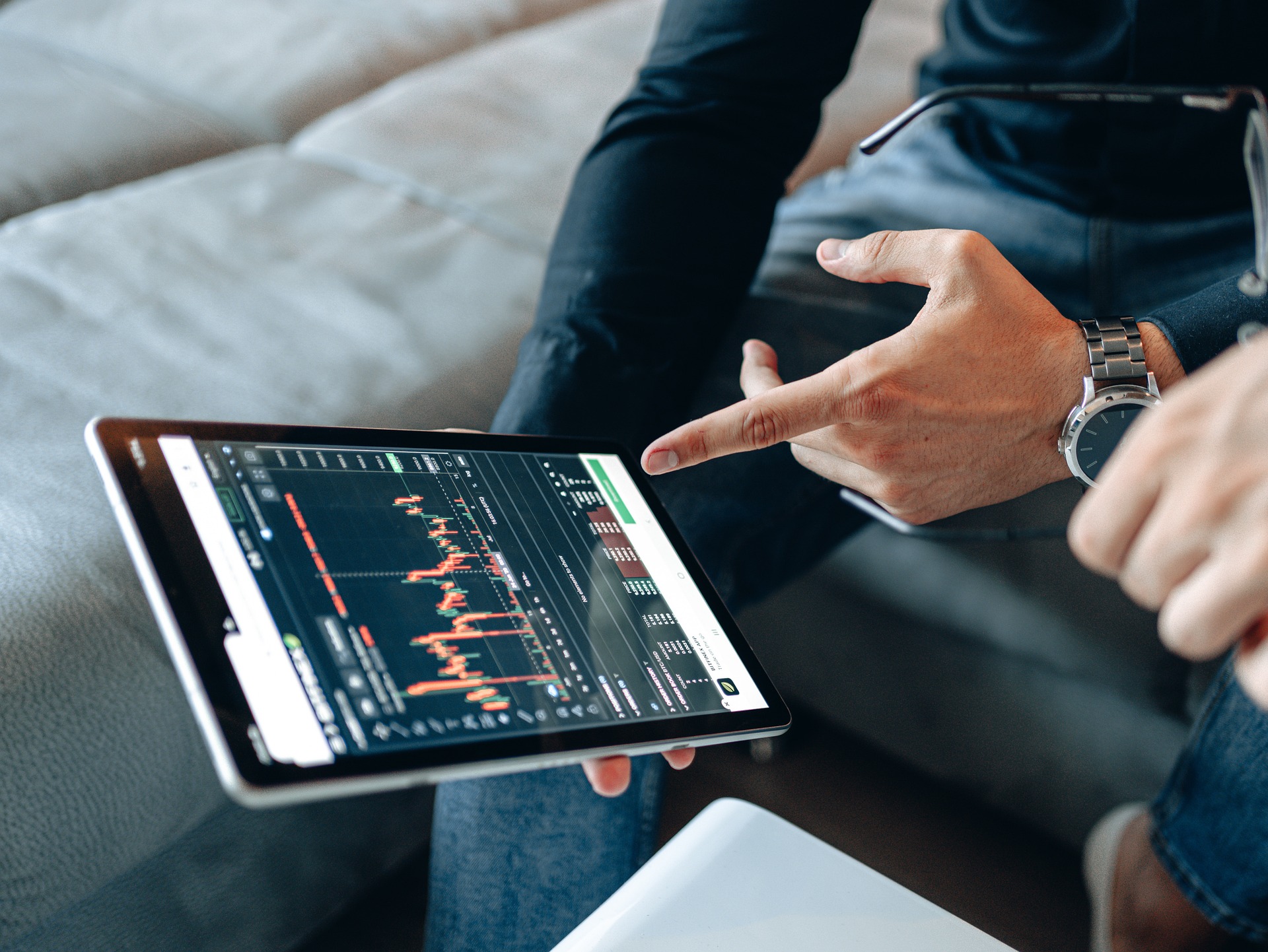
Placing the same futures order more than once sounds simple until the market moves. Traders who run multiple accounts often face a familiar problem: one entry is clean, the next is late, and risk ends up uneven across accounts. A cloud-based futures trade copier is designed to reduce that operational drag by synchronizing orders from a master account to one or more follower accounts in real time.
This is not about social copy trading or outsourcing decisions. It is about execution consistency when you are splitting capital across personal accounts, prop firm accounts, or different brokers.
A trade copier mirrors trading actions. When you place an order in your master account, the copier sends the same instructions to connected follower accounts. Depending on the tool, it can also replicate common management actions such as:
- stop-loss and take-profit updates
- partial closes
- full exits
- order modifications
Because the copier is cloud-based, you are not relying on a single local computer staying awake and connected. That can reduce the risk of a laptop sleep mode or a home internet hiccup breaking your workflow.
Most setups follow a straightforward sequence.
1. Connect your master and follower accounts, sometimes across different brokers.
2. Define copying rules such as 1:1 sizing, proportional sizing, or instrument filters.
3. Trade in the master account and let the copier replicate actions to followers.
In fast markets, latency matters. Even small delays can change fills and increase slippage, which is the difference between the expected price and the executed price. No software can remove slippage entirely, but stable infrastructure and clear rules can reduce avoidable mismatches.
Many prop traders operate several funded accounts with similar rules. A copier can help keep entries, exits, and risk management aligned without manually repeating every click.
Some traders spread execution across brokers for fee structures, margin policies, or platform preferences. A copier can help keep one strategy consistent across that mix.
As the number of accounts grows, so does the chance of human error. The most common issues are wrong quantity, missed stop placement, or delayed exits. Automation does not improve the strategy itself, but it can reduce operational mistakes.
If you are comparing tools, focus on practical criteria rather than marketing claims.
- Reliability and uptime, especially during volatile sessions
- Order support, including brackets, OCO (one cancels the other), and partial fills
- Risk controls such as max size limits, instrument filters, and a quick pause option
- Audit logs that help you diagnose differences between accounts
- Security basics like sensible permissions and access controls
Scale can also be a useful signal. Some services report having synchronized hundreds of millions of trades over time. If you want a concrete reference point, review what a cloud-based solution describes as the best futures trade copier and compare it against the checklist above.
- A trade copier is an execution consistency tool, not a profit engine.
- Cloud-based setups reduce dependence on one computer staying online.
- Latency and stability matter most when markets move quickly.
- Sizing rules and risk limits are as important as the software.
Futures trading involves substantial risk, including the possibility of losses beyond your initial investment. A trade copier can standardize execution across accounts, but it cannot guarantee performance or prevent losses.