
Located at Shandong’s northern gateway along the coast of the Bohai Bay, Xiaobotou Town in Wudi County sits at the junction of two provinces and three cities. The Zhangwei New River and Majia River flow through the town before emptying into the sea. Its unique geographical location and hydrological conditions have nurtured a distinctive fishing-net industry with a history spanning nearly 70 years. Today, these seemingly simple fishing nets connect a complete industrial chain with extensive domestic and international markets, serving as a pillar industry that boosts local incomes and drives high-quality development across the town.
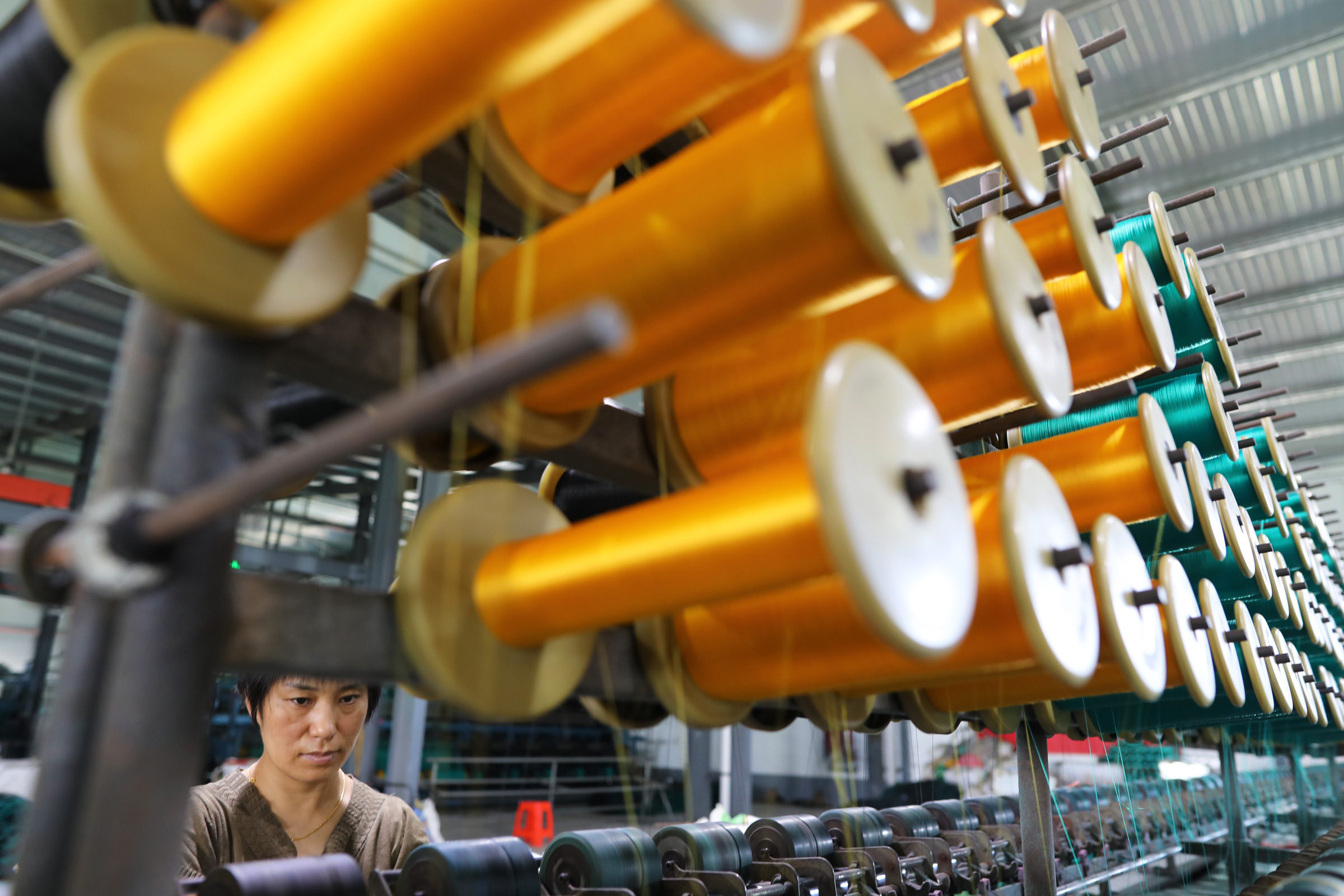
The fishing-net industry in Xiaobotou Town has deep roots and has developed into a well-established industrial cluster. The town is now home to more than 600 individual fishing-net businesses, over 300 enterprises with operations of a certain scale, and more than 30 above-designated-size enterprises. They produce over 200 types of products, including gillnets, trawl nets, cast nets, net floats and net sinkers. Together, they have established a complete production chain encompassing wire drawing, net weaving, shaping, net finishing and final assembly. Annual output of various fishing nets reaches 360,000 tonnes, accounting for more than 20% of the domestic market. The town has made the fishing-net industry its top economic development priority. The sector has also driven the growth of supporting businesses in float processing, loading and unloading, logistics and e-commerce, providing employment for more than 20,000 people. Its economic reach extends across four counties—Wudi, Zhanhua, Qingyun and Haixing—benefiting communities in both Shandong and Hebei provinces.
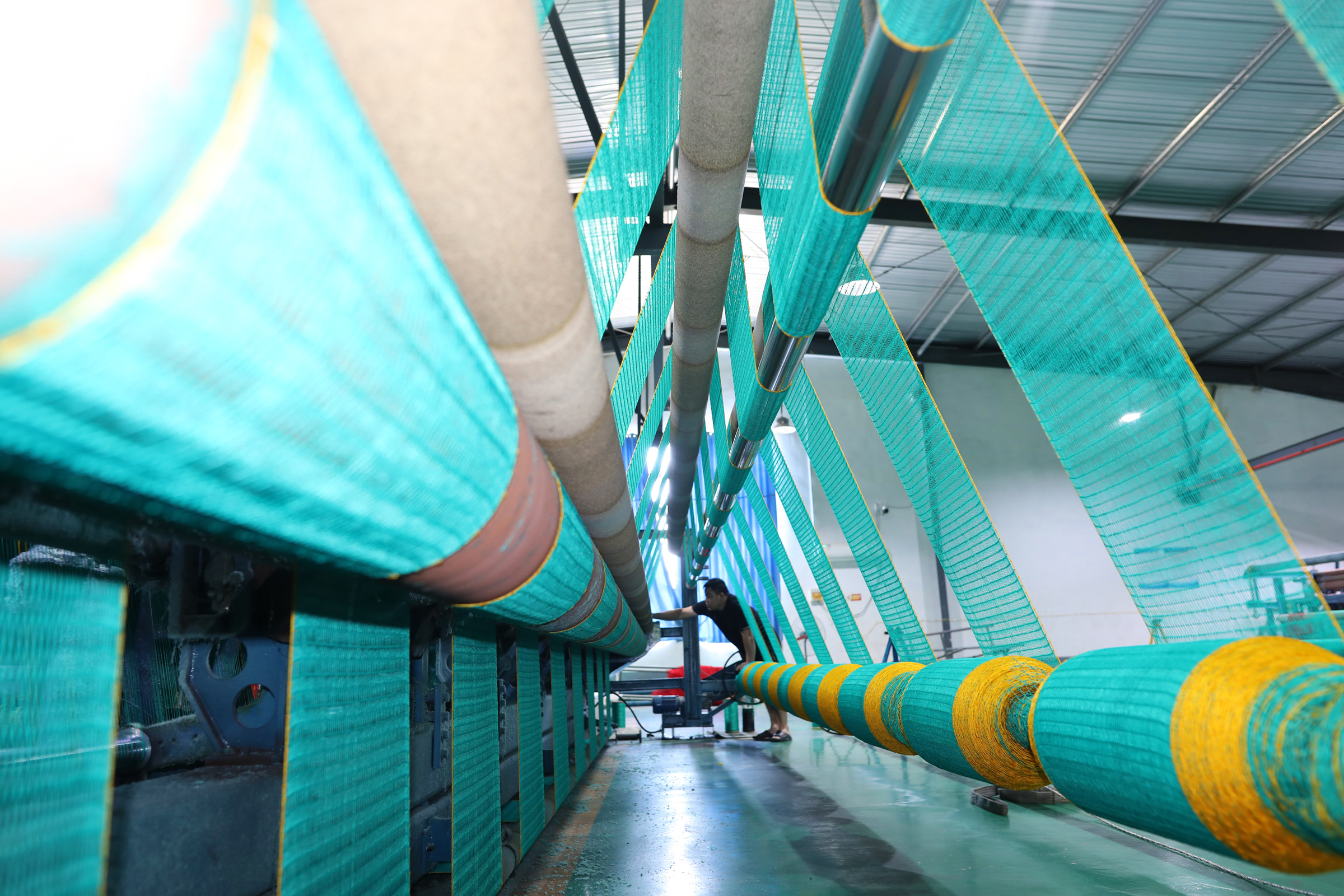
By leveraging technology, the town is accelerating the transformation of its traditional industry toward higher-end and greener production. It has partnered with Shandong University and Ocean University of China to establish research and development platforms, focusing on breakthroughs in core technologies for high-end products such as deep-sea aquaculture cages and polymer fishing nets for offshore fishing. To date, the industry has secured more than 30 patents and fostered five national-level high-tech enterprises, four provincial-level specialized and sophisticated enterprises, five innovative small and medium-sized enterprises, one municipal-level gazelle enterprise and six technology-based SMEs. Local businesses have successively introduced automated net-weaving machines and intelligent shaping production lines, increasing production efficiency by more than 30% and reducing the product defect rate to below 0.5%. At the same time, the town is tapping into the green economy by developing biodegradable fishing-net materials and establishing a recycling and reuse system for fishing nets, paving the way for greener, more circular industrial development.
The town is also strengthening domestic and international market connections to expand growth opportunities. On the one hand, it is actively attracting investment, conducting multiple rounds of business matchmaking focused on the entire industrial chain and working with industry associations to explore partnerships in various locations. These efforts aim to attract high-quality projects to the “Netting the World for Shared Prosperity” workshop and address gaps in the supply of high-end netting yarn. On the other hand, the town is stepping up efforts to reach overseas markets. It is building a regional public brand, standardizing product quality and packaging, and drawing on the resources of trade promotion platforms and port groups to organize companies to participate in domestic and international trade fairs and promote the brand at national industry conferences. In parallel, a 1,000-square-meter “Home of Fishing Gear” exhibition hall is being developed, complete with a livestream e-commerce zone. The town is also facilitating cross-border e-commerce exchanges with Amazon and TikTok to help its fishing-net products reach markets around the world.
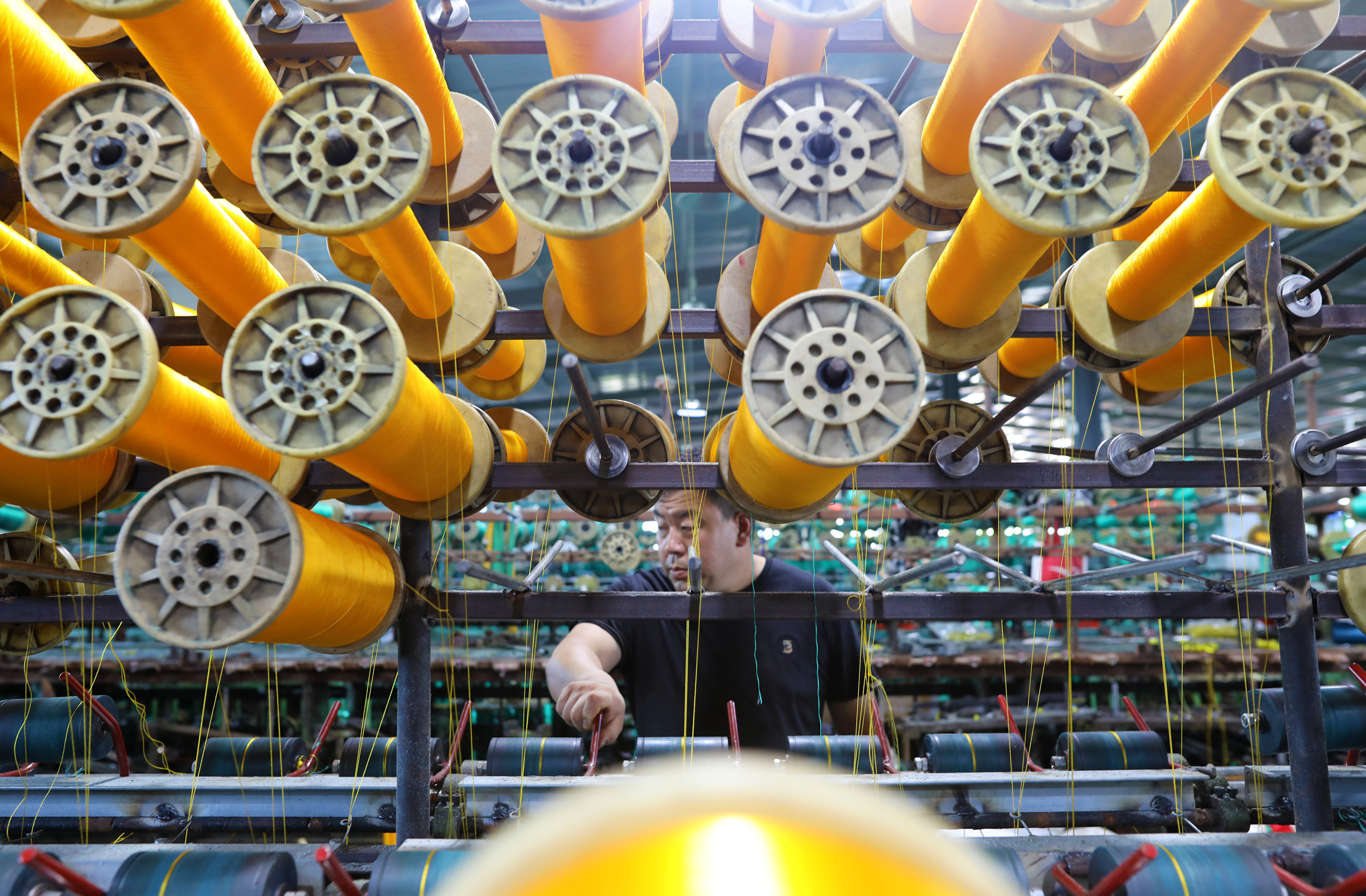
A single strand of netting yarn connects the industry’s revitalization, while one fishing net carries the dream of shared prosperity. Xiaobotou Town will continue to drive the upgrading of its traditional fishing-net industry through technological innovation, investment projects and market expansion, forging a new path toward prosperity for local residents and development for the town through its distinctive industries.