
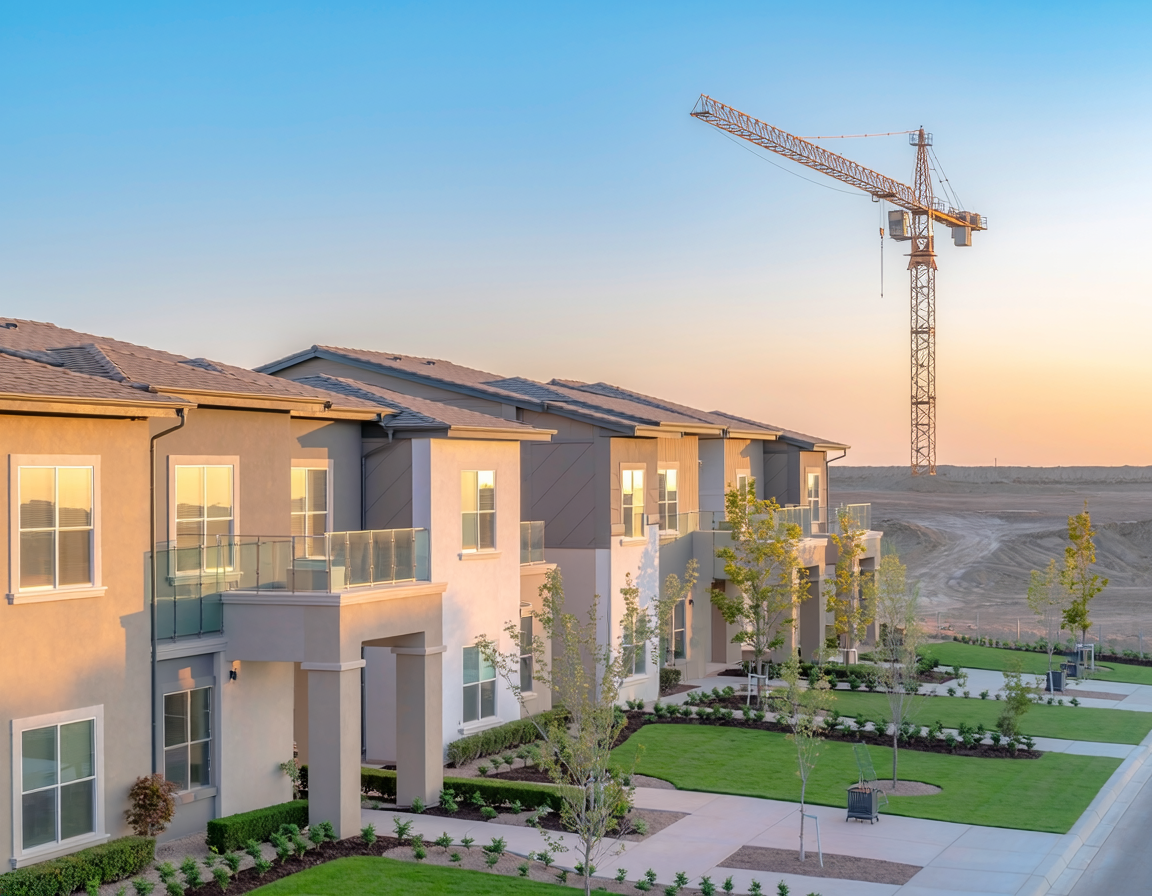
Headlines describe the apartment market as soft, with flat rents and generous concessions. The forecasts point somewhere else. New apartment completions are projected to fall to a cycle low in 2027. With mortgage rates still elevated, owning a home now costs more than $1,000 a month more than renting, which keeps many households renting for longer. Meanwhile, apartment values remain more than 20 percent below their 2022 peak.
Ron Kutas, Chief Executive Officer of OneWall Communities, argues that the “soft market” label looks backward. It reflects the effects of past construction rather than where the market is going.
“We don’t have a demand problem in most places,” Kutas says. He describes the current softness as a supply hangover, as buildings started in earlier years are still being completed. At the same time, the number of renters keeps growing, because buying a home remains out of reach for many households.
As new supply dries up over the next few years, he expects demand to become the main force in the market. He adds one caveat: conditions still vary by submarket, so each local supply pipeline needs to be examined on its own.
With values still below their peak, Kutas sees an opening, but mainly for buyers who can improve how a property is run. If the plan is to buy an asset that has been poorly managed, or one whose financing structure was flawed, and then fix the operations, “you’re in control,” he says. If interest rates or cap rates later move in the buyer’s favor, that is a bonus. “That’s what turns a single and double into a home run.”
He separates that kind of deal from buying simply because distressed properties are available. Without the operating skill to add value, he argues, a buyer is making a bet on the overall market rather than creating value. “You’re just placing a bet,” he says.
Kutas says a growing pool of long-term renters strengthens the case for focusing on resident retention. With expenses rising quickly, keeping existing residents in place is one of the few ways to grow net operating income that an operator fully controls. It also rewards owners who have invested in customer service.
At OneWall, Kutas says, the focus right now is on centralizing operations and improving customer service. He sees the slower period as a chance to review workflows and the resident experience across the platform, something that is hard to do in years when a firm is busy absorbing a steady stream of new acquisitions.
He expects the payoff to come later in the cycle. “By the time the market feels good again,” Kutas says, “the best deals will already belong to the strong operators of today.”
About OneWall Communities
OneWall Communities is a vertically integrated property management and investment firm specializing in workforce housing. With 15 years of owner-operator experience, OneWall has evolved to offer institutional-level 3rd party management services that combine operational excellence with a community-first approach. For more information, visit onewallcommunities.com.
This article is intended for informational purposes only and does not constitute legal, financial, or investment advice. The views and opinions expressed herein reflect those of the individuals quoted and do not represent an endorsement of any company, product, or service mentioned. Readers should conduct their own due diligence and consult qualified professionals before making any investment decisions.