
What Fashion Coverage Misses About Wearing Men’s Silver Jewelry Every Day
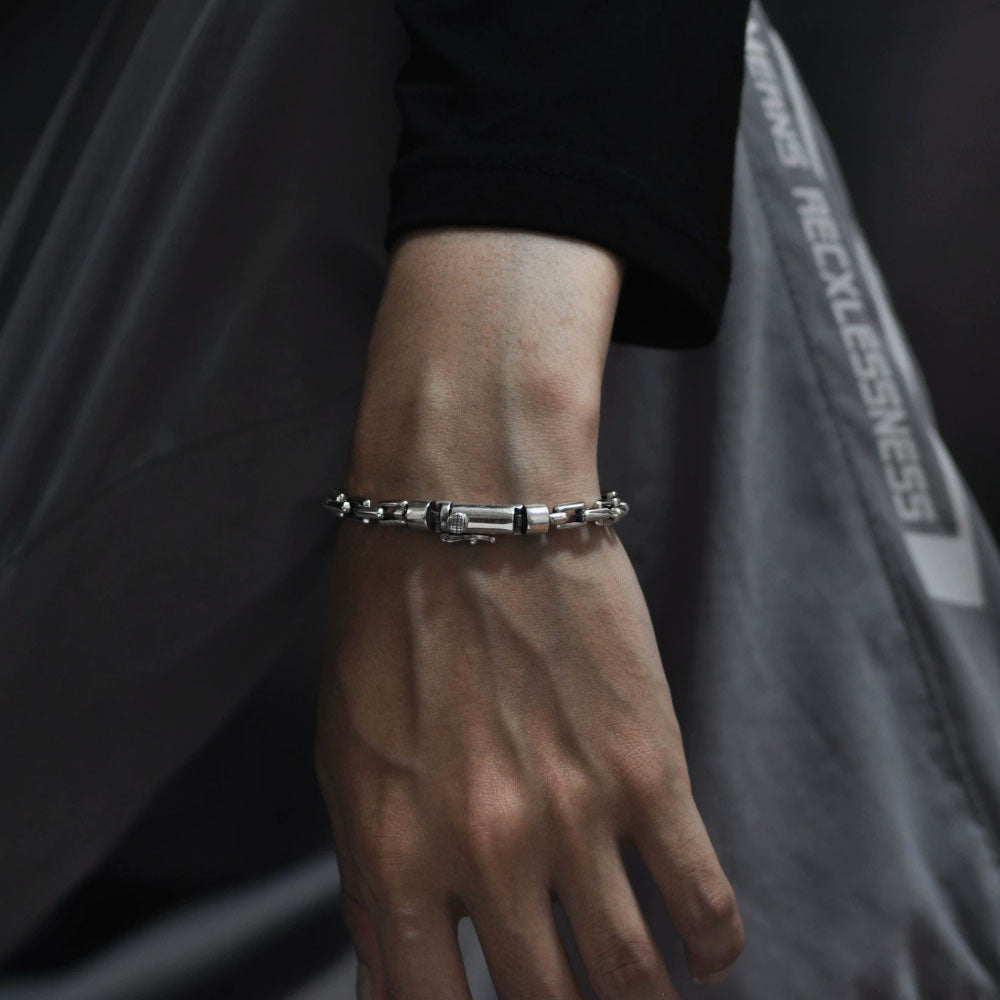
The Look Is Only the Starting Point
A silver chain showing above a T-shirt or a bracelet beside a jacket cuff can make you want to try the same look. But a photograph leaves a few questions unanswered. How heavy does that chain feel after several hours? Does the bracelet get in the way when you type? Can you fasten it yourself without spending five minutes at the clasp?
These details rarely get much space in styling advice, yet they matter once the jewelry becomes part of your day. You might like the appearance of a thick bracelet but find yourself taking it off every time you sit down to work. A necklace that sits neatly against a model’s shirt might fall at an awkward point on your own neckline.
That doesn’t mean you need to stick to small, plain pieces. It means looking a little beyond the outfit photo before buying. Width, weight, fit, and construction all deserve attention alongside the design. The aim is to find something you enjoy wearing enough to reach for again tomorrow.
Size Changes More Than Appearance
Two silver chains for men can look much the same in separate product photos and feel quite different around your neck. Close-up shots make it especially hard to judge scale, so check the width, length, and weight together before deciding.
Width gives you a starting point. A 3mm chain adds a relatively fine line of silver, while a 7mm version of the same design has a much stronger presence. But width alone won’t tell you how substantial a chain feels. Link thickness and construction affect its weight, which is why two equally wide chains can contain different amounts of silver.
A heavier chain isn’t automatically uncomfortable. Some men enjoy feeling that weight; others find it distracting after a few hours. If you already own a necklace that feels comfortable, use its measurements and weight as a reference. That is more useful than trying to judge everything from a model’s photograph.
Length changes the experience too. A shorter chain stays nearer the neckline, while a longer one has more room to swing when you lean forward. Add a pendant, and its weight and position become part of the decision.
Before buying, measure where you want the necklace to sit using a soft tape. If you plan to add a pendant, allow for its drop as well. A few minutes spent checking these details can help you choose a size you’ll enjoy beyond the first look in the mirror.
Fit Matters When You Move
A bracelet can feel comfortable when you first put it on, then become irritating once you start typing. The underside may press against the desk, or a loose section may slip beneath your wrist. If you spend much of the day at a keyboard, think about where the bracelet sits while your hands are working.
Chain bracelets give you some freedom to move them farther up your arm, provided the fit allows it. Their flexibility can also help them settle around your wrist. But too much extra length lets the chain slide toward your hand and bunch up where you don’t want it.
A cuff behaves differently. A well-fitted cuff may stay in a more consistent position, though its rigid shape can press against a desk edge. Comfort depends on its width, profile, and fit—not simply whether it is a cuff or a chain.
Wearing a watch adds another consideration. A loose bracelet can repeatedly knock against the case as you move. A closer-fitting piece may move less, but it won’t necessarily prevent contact or scratches. Wearing the bracelet on your other wrist is often the easiest solution.
Sleeves matter as well. A substantial bracelet may feel fine with a T-shirt but catch beneath a fitted shirt cuff. When trying one on, bend your wrist, reach forward, and pull your sleeve over it. Those ordinary movements will tell you more about the fit than holding your arm still in front of a mirror.
Small Construction Details Make a Big Difference
The clasp probably won’t be the first thing you notice in a product photo. It may become very noticeable when you’re trying to fasten a bracelet one-handed before leaving the house. A tiny lever can be fiddly, while a larger clasp may be easier to handle but feel bulky against your wrist. Look for a clear photograph of the closure and make sure you understand how it works.
Link movement deserves attention too. Some chains drape freely; others have a tighter structure that allows less movement. Flexibility can feel comfortable against the skin, but it doesn’t tell you how strong a chain is. Fine links may move easily while still needing careful handling. A short video showing the chain being lifted and laid down can reveal more than a neatly arranged product shot.
If you’re adding a pendant, check the connection as carefully as the design. The pendant’s bail—the loop the chain passes through—must accommodate the chain’s end fitting, which may be wider than the links. The chain should also be suitable for the pendant’s weight. Being able to thread one through the other is only the first check.
Finally, look at the surfaces that touch your skin and clothing. Raised details and pronounced edges may catch on a knitted sweater, even when the piece feels fine against a bare arm. Clear views of the back, sides, and connections help you judge these details before buying. They may be less eye-catching than the main design, but you’ll live with them every time you wear it.
Everyday Jewelry Still Needs Care
Silver jewelry will change with wear. Bright surfaces can pick up fine scratches, and exposed silver may gradually tarnish. Neither automatically means there is something wrong with the piece. A gentle wipe with a soft cloth after wearing it and dry storage between uses are sensible starting points. Follow the seller’s cleaning instructions, especially if the design includes stones or deliberately darkened details.
It also helps to know when to take jewelry off. Remove chains and bracelets before lifting weights, swimming, or doing work where they could catch on equipment. A bracelet that feels substantial can still be damaged by a snag or a heavy load. Thickness doesn’t make it suitable for every activity.
Give the clasp an occasional check, too. Notice whether it closes fully and holds as it normally does. If it starts opening unexpectedly or needs repeated adjustment, stop wearing the piece until the problem is resolved. A safety latch provides additional security, but it doesn’t make a faulty main closure acceptable.
The useful distinction is between surface care and a mechanical problem. Tarnish may call for appropriate cleaning; a cracked link, loose connection, or unreliable clasp calls for attention from the seller or a jeweler. Catching those changes early can prevent a small repair from becoming a lost bracelet or pendant.
Choose for the Life You Actually Lead
Think about an ordinary weekday before choosing your next piece. What do you usually wear? Do you spend hours at a desk, work with your hands, or regularly change into gym clothes? Those details help you decide which designs will be comfortable and when you’ll need to take them off.
Once something catches your eye, run through a few practical checks:
When comparing men’s silver bracelets at Jewelry1000, for example, use the measurements and recommended wrist sizes alongside the photographs. If a detail that matters to you is missing, ask before ordering.
There is still plenty of room for personal taste. An elaborate bracelet can be an everyday favorite, and a simple chain can turn out to be uncomfortable if the fit is wrong. Let the design draw you in, then give the practical details enough attention to make sure you’ll actually want to wear it.