
Why DPS Network Is Gaining Traction Among Late 2026 Crypto Presales: The Shift Toward Daily Utility
The cryptocurrency market landscape in late 2026 is undergoing a structural shift. Where previous market cycles rewarded purely speculative governance tokens and short-lived meme assets, both retail participants and institutional observers are prioritizing verified, day-to-day consumer utility.
Among the emerging infrastructure projects entering the market this quarter, DPS Network is gaining traction by solving a practical, everyday problem: enabling self-custodial digital asset holders to directly pay for regular, web-based digital subscriptions without interfacing with legacy banking institutions or surrendering control of their private keys.
A historical challenge for early-stage crypto presales has been the absence of functional, post-launch product utility. Many projects raised capital without working technical architecture, relying exclusively on secondary market hype that evaporated once token listings concluded.
In contrast, DPS Network enters the market with a consumer payment model centered on tangible digital utility:
To establish an orderly and distributed token base, the protocol has scheduled its public presale is expected to begin on November 16, 2026.
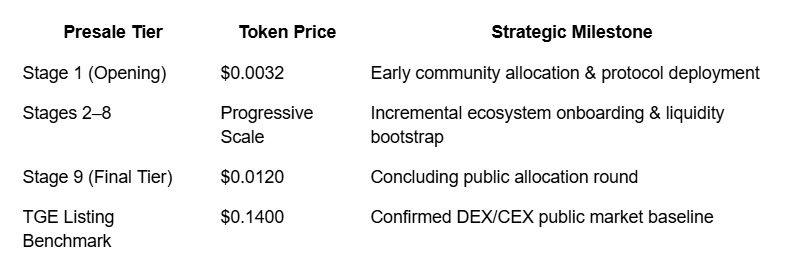
The presale is structured across 9 progressive tiers, providing clear valuation steps:
Unlike many emerging altcoins that utilize inflationary token printing or elastic supplies, DPS Network enforces a strict, immutable hard cap of 1,000,000,000 (1 Billion) tokens. Minting functions are permanently disabled within the smart contract codebase, establishing programmatic scarcity before public liquidity pools go live.
Security remains a primary barrier for everyday Web3 spending. Centralized card processors routinely store cleartext card numbers, CVVs, and user PINs, exposing consumer databases to unauthorized access and credential theft.
DPS Network mitigates this vulnerability by implementing Salted SHA-256 cryptographic hashing throughout its card issuance and verification pipeline:
As the blockchain ecosystem matures toward global adoption, protocols that bridge the divide between self-sovereign wallets and practical consumer commerce are positioned to lead market engagement. By combining non-custodial wallet infrastructure, cryptographic card protection, and native compatibility with 140+ everyday digital services, DPS Network presents a compelling example of how decentralized finance is transitioning from speculative theory to everyday utility.